Why Windows sucks a lot.
After many years of using Windows as my operating system of choice, I finally realized that this is the biggest piece of trash there is, but I still can't make a decision to get rid of it.
In this article I am going to talk about the pros and cons of using Windows as your OS, and why millions of people including myself are stuck in this love-hate relationship with Microsoft's creation.
The popularity of Windows and the reasons behind it.
It's safe to say that Windows is by far one of the most easiest, if not - the easiest to use operating systems in the whole world.
But why do so many people like it and choose it over Linux-based operating systems?
- Windows is just like MacOS, but for the average mass of people.
- Windows is the most popular OS, and people tell each other to use it.
- You don't really need to know a lot about computers to use it.
- Most of the software is written and works best on Windows.
- Windows is pre-installed on the big majority of laptops.
- Gaming is best on Windows.
- Enterprise and corporate environments are built around Windows.
- Hardware drivers are almost always available for Windows first.
- Microsoft Office and other productivity suites work seamlessly.
The thing is, Windows has created this ecosystem where everything just works - most of the time. You buy a laptop, it has Windows. You need software for work? It's probably made for Windows first. Want to play games? Steam, Epic, Origin - they all run natively on Windows without any weird compatibility layers or tinkering.
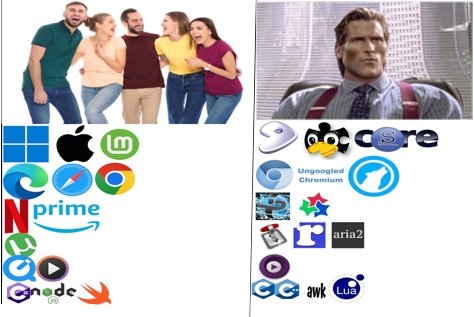
This convenience is both Windows' greatest strength and its biggest trap. Once you're in, it's incredibly hard to leave because everything else feels like more work.
The issues of Windows.
Well, as I said before, it's an operating system for the majority of people, for the masses, basically.
I would like to say that everything is absolutely fine with Windows, since I am a user myself, but it's far from the truth - in reality, Windows is a very buggy mess and sucks in terms of the technical aspect of it.
There are many bad things about it:
- Mandatory to have a Microsoft account.
- You must pay Microsoft and get a license to unlock basic features like changing wallpapers.
- Bad file permissions and rights system that's confusing even for experienced users.
- Vulnerable Windows API which allows malicious programs to do whatever they want.
- Registry, which is a giant mess and shouldn't even exist in an OS.
- Outdated applications and interfaces (e.g., control panel, event viewer) still present in 2025.
- No universal installation method for programs - each one needs its own custom installer.
- It's very easy to break your own system in a matter of minutes.
- Updates are mandatory and sometimes you have to wait for an hour just to boot up your PC when you need it the most.
- Sometimes it's impossible to roll back to the previous update, 10 days passed and good luck.
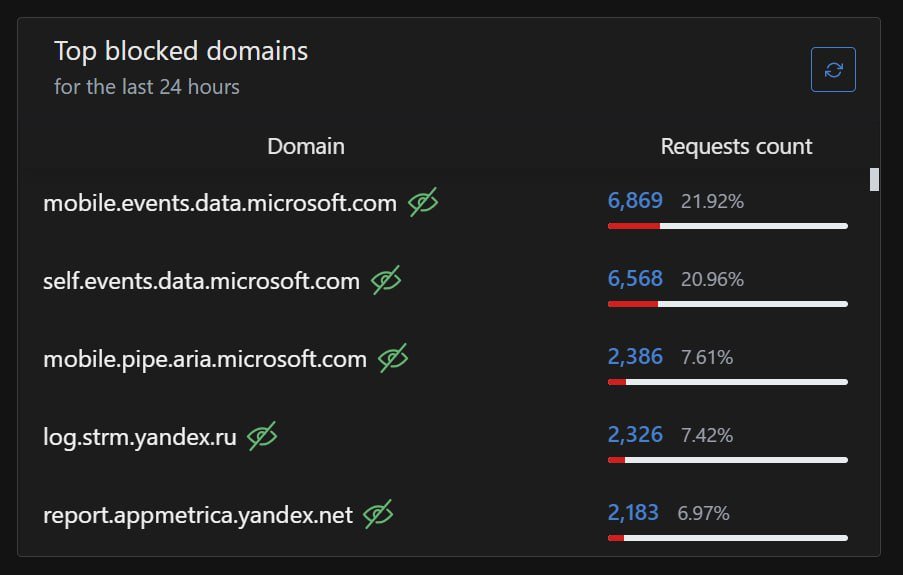
- Bloatware and telemetry that you can't fully disable without breaking stuff.
- Inconsistent UI design - some parts look modern, others are from Windows XP era.
- Resource consumption that keeps getting worse with each version.
- Windows Defender constantly eating your CPU and false-flagging legitimate software.
These issues are just the tip of an iceberg, and if you have somewhat long experience with Windows, you can fully understand me.
The biggest thing I hate and somewhat love about Windows is the fact that it's not customizable at all, it's proprietary, and you don't really have access to what's actually happening under the hood.
The love-hate relationship explained.
Here's where it gets weird - despite all these problems, I keep coming back to Windows. And I'm not alone in this. There's a reason why even experienced developers and system administrators often have Windows as their daily driver.
The truth is, Windows has some genuinely good things going for it:
- Hardware compatibility is unmatched - everything just works out of the box.
- Gaming performance is superior to any other OS, thanks to DirectX and driver optimization.
- Professional software support - Adobe Creative Suite, AutoCAD, most enterprise applications.
- When it works, it works really well and stays out of your way.
- Huge community and documentation for troubleshooting.
- Backwards compatibility is actually impressive - you can run software from decades ago.
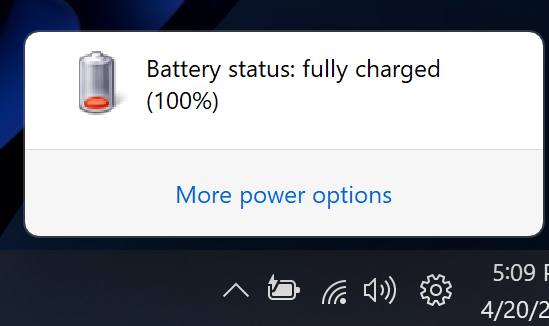
But then you experience one of those classic Windows moments - a random BSOD, an update that breaks your audio drivers, ntdll.dll error which makes your app crash for no reason, or spending 30 minutes trying to figure out on how to disable OneDrive - and you remember why you hate it.
Alternatives and why they don't stick.
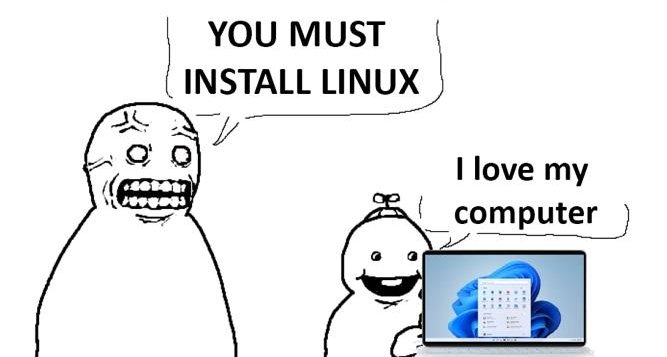
I've tried switching to Linux multiple times. Ubuntu, Manjaro, Alt Linux, PopOS - you name it, I've probably installed it and used it for a few weeks or months.
Linux is objectively better in many ways - it's more secure, customizable, efficient, and respects your privacy. But then reality hits:
- Need to edit a video for a client? DaVinci Resolve works, but Adobe Premiere doesn't.
- Enjoy using the NVIDIA's Instant Replay feature? Use the shitty one in OBS instead.
- Want to play that new game everyone's talking about? Good luck with the game's anticheat.
- Client sends you a .docx file with complex formatting? LibreOffice tries its best, but it's not the same.
- Your weird USB device doesn't have Linux drivers and never will.
- Spent 3 hours in pain trying to install some software.
MacOS is great if you're fully committed to the Apple ecosystem and have money to burn, but it's even less customizable than Windows and locks you into their hardware.
But here's the thing - I genuinely believe Linux is the future, and it's slowly getting more popular. Even PewDiePie has filmed a video advising people to switch to Linux, which is huge considering his massive audience. Gabe Newell and Valve are pushing anti-cheat creators and game developers to make better adaptations for Linux, and Steam is really doing an amazing job with the Steam Deck and Proton compatibility layer.
The problem is, we're still not there yet. One of the biggest issues with Linux is still gaming - you can't really enjoy multiplayer games or even some single-player ones because they're simply made for Windows, and sometimes compatibility with Wine or Proton just doesn't work properly. Even worse, anti-cheat developers basically force you to use Windows where they can get kernel-level access to your device through drivers and ring-0 access, which is both a security nightmare and a way to lock users into the Windows ecosystem.
Windows 11 - making things worse.
Just when you think Microsoft couldn't make Windows more frustrating, they release Windows 11. They took everything that was barely working in Windows 10 and somehow made it worse:
- TPM, Memory, and other requirements that make perfectly good computers "incompatible".
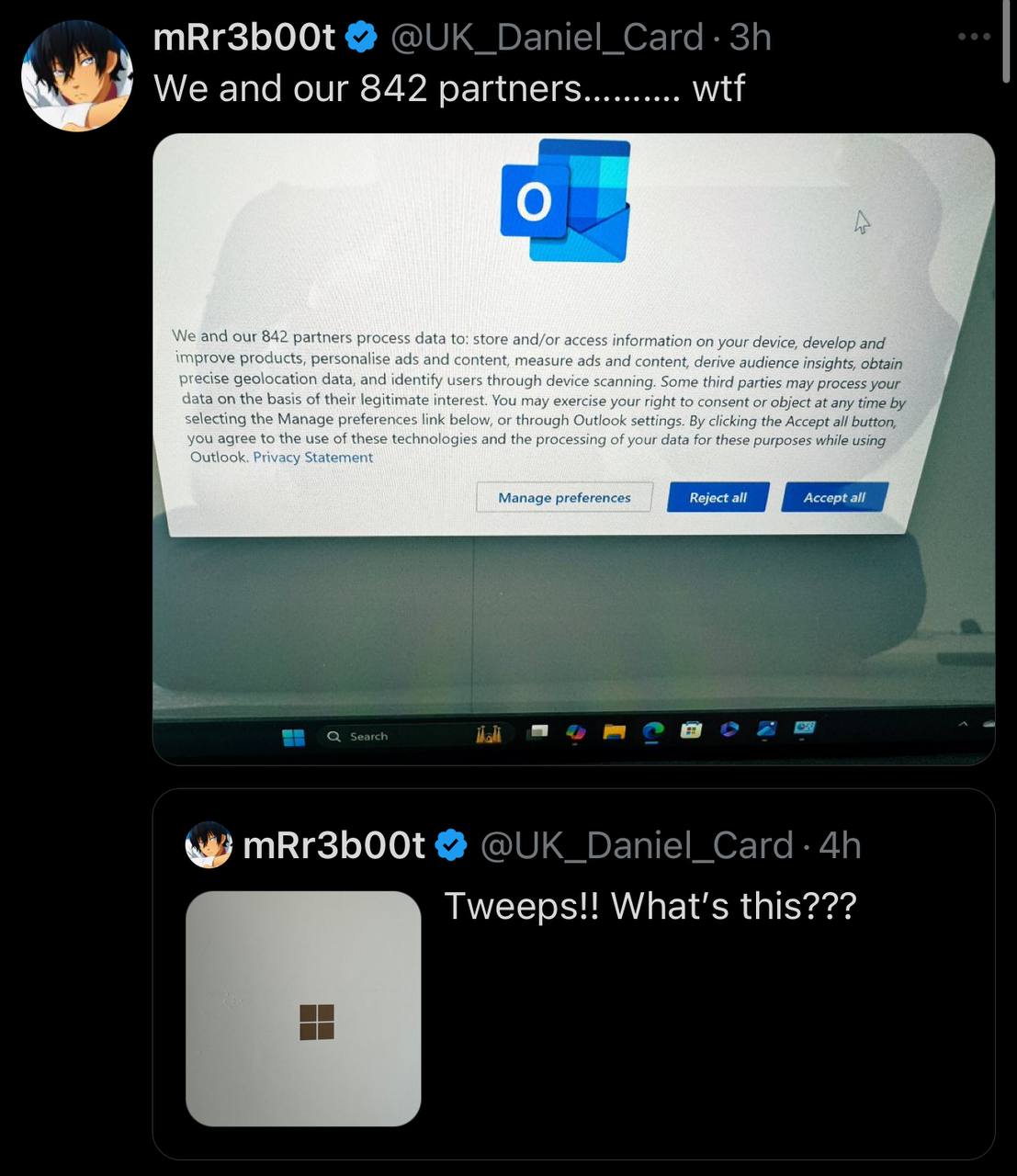
- Even more aggressive telemetry and data collection.
- A taskbar that's somehow less functional than the one from Windows 95.
- New context menu that requires extra clicks to access basic functions and is worse than the previous one they had.
- Forced Microsoft Edge integration from the start, in order to enjoy using it you have to spend at least half an hour configuring it.
- Settings scattered between the new Settings app and the old Control Panel even more than before.
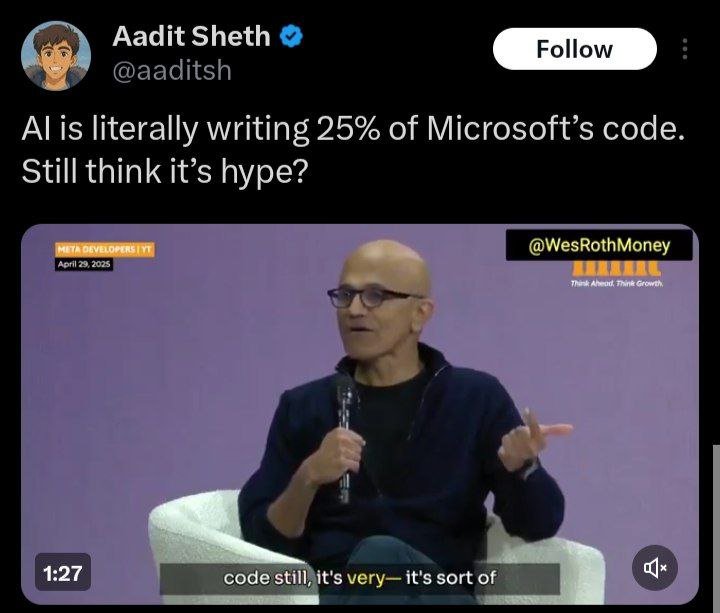
- Their new AI Copilot which nobody asked for, but they still decided to add it as bloat, and it's paid too.
It feels like Microsoft is actively trying to make their OS worse while calling it "innovation."
The Stockholm syndrome of operating systems.
At this point, using Windows feels like Stockholm syndrome. We've been held hostage by this OS for so long that we've started to identify with our captor.
We complain about Windows constantly, we know it's flawed, we dream about switching to something better - but when push comes to shove, we boot up Windows every morning because it's familiar, our software works on it, and changing would require effort we don't want to spend.
Maybe that's the real genius of Windows - it's not that it's particularly good, it's that it's made an experience or ecosystem which traps the users inside of it and dominates the market because everyone is trapped too.
Conclusion: trapped in mess with no changes.
Windows represents everything wrong with monopolistic software development. It's a system that could be so much better but doesn't need to be because there's no real competition in its space.
Microsoft knows we'll keep using Windows regardless of how many privacy violations they add, how many pointless UI changes they make, or how much bloatware they bundle. They know we need their OS more than it needs to be good.
So here I am, writing this article on Windows 11, complaining about how much I hate it, while knowing I'll probably be using Windows 12 when it comes out. Because for all its flaws, switching away from Windows feels like more work than just dealing with its problems.
And that, my friends, is why Windows is simultaneously the worst and best operating system - not because it excels at anything, but because it's successfully made itself irreplaceable despite being mid at everything.
Maybe one day I'll actually make the switch to Linux full-time. But probably not tomorrow.